TL;DR: Geographic targeting (GEO) is crucial for businesses aiming to reach specific local audiences. By targeting users based on location data, businesses can optimize their marketing strategies and improve local SEO. Understanding and implementing GEO effectively can significantly enhance your customer engagement and conversion rates.
What is GEO and How Does it Work?
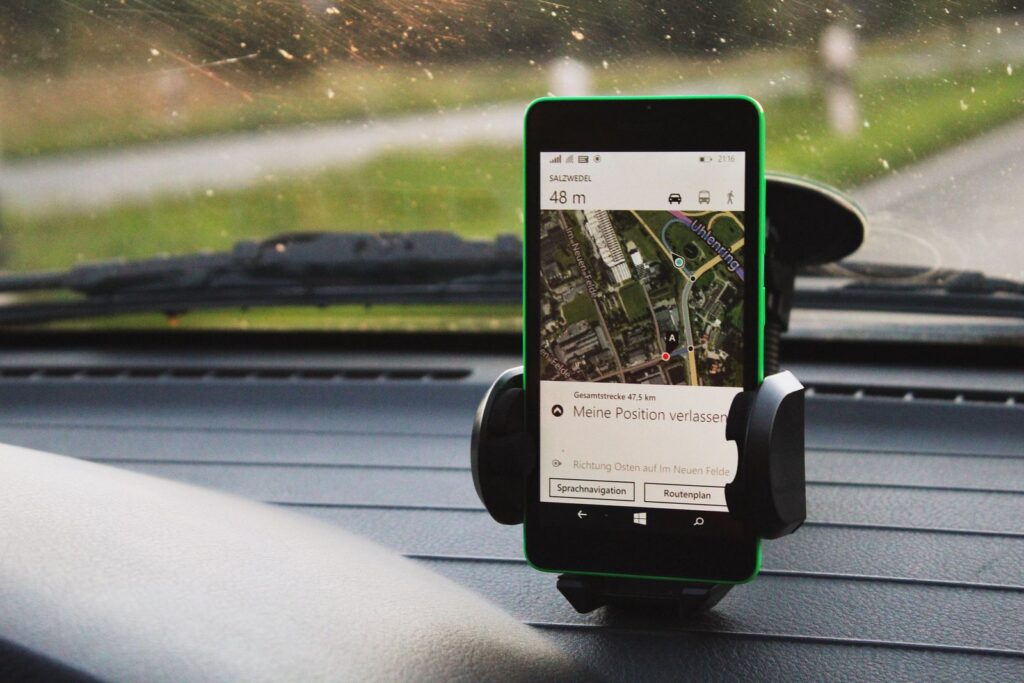
GEO, or geographic targeting, refers to the practice of delivering content or advertisements to users based on their geographical location. This involves using data such as IP addresses, GPS coordinates, and location-based services to tailor marketing strategies. GEO helps businesses reach target audiences more effectively by customizing content to meet local preferences and needs.
To implement GEO, businesses can use various tools and platforms such as Google Ads, Facebook Ads, and more, which allow for location-specific advertising. For instance, a local restaurant can use GEO to target ads to people within a 5-mile radius, increasing the likelihood of attracting customers who are nearby.
Why Should Businesses Use GEO?

GEO is essential for businesses that want to optimize their marketing efforts and connect with specific audiences. It enhances the relevance of marketing messages, leading to higher engagement and conversion rates. By focusing on geographic targeting, businesses can allocate their resources more efficiently and achieve better ROI.
For example, a national retail chain can use GEO to adjust its advertising strategy based on regional preferences and seasonal trends. This ensures that their marketing messages resonate with local customers, increasing the likelihood of sales in those areas.
How to Implement GEO in Your Marketing Strategy
Implementing GEO in your marketing strategy involves a few key steps that can help you target the right audience effectively. Here’s a step-by-step guide:
- Identify Your Target Audience: Determine the specific locations where your potential customers reside or frequent. Use customer data, surveys, and market research to refine your target areas.
- Choose the Right Platforms: Opt for advertising platforms that offer robust geographic targeting options, such as Google Ads and Facebook Ads.
- Create Location-Specific Content: Develop ads and content that cater to the preferences and needs of the local audience. This might include using local dialects, highlighting regional events, or offering location-based promotions.
- Monitor and Adjust: Continuously monitor the performance of your geographic targeting campaigns and make necessary adjustments. Use analytics tools to track engagement and conversion rates by location.
What Are the Benefits of GEO?
GEO offers numerous benefits for businesses looking to enhance their marketing strategies. These include:
- Increased Relevance: By delivering location-specific content, businesses can ensure their messages are more relevant to their audience, leading to higher engagement.
- Cost Efficiency: Targeting specific geographical areas allows businesses to allocate their marketing budget more effectively, reducing wasteful spending.
- Better Customer Insights: GEO provides valuable data on customer behavior and preferences in different locations, enabling more informed decision-making.
- Improved Conversion Rates: Tailored marketing messages that resonate with local audiences are more likely to result in conversions.
Challenges and Considerations in GEO
While GEO offers significant advantages, it also comes with challenges that businesses must consider. These include data privacy concerns, the need for accurate location data, and the potential for over-targeting which might alienate some users.
To mitigate these challenges, businesses should ensure compliance with data protection regulations, use reliable data sources, and maintain a balance between targeted and broad-reaching campaigns.
Frequently Asked Questions
What types of businesses benefit the most from GEO?
Local businesses such as restaurants, retail stores, and service providers benefit significantly from GEO by targeting customers in their immediate vicinity.
How accurate is geographic targeting?
The accuracy of geographic targeting depends on the data source. GPS and mobile data are generally more precise than IP-based location data.
Can GEO be used for global campaigns?
Yes, GEO can be used for global campaigns to tailor messages to specific regions and cultures, enhancing international marketing strategies.
What tools are essential for implementing GEO?
Tools like Google Ads, Facebook Ads, and location analytics platforms are essential for effective GEO implementation.
How can I measure the success of my GEO campaigns?
Success can be measured by analyzing engagement metrics, conversion rates, and ROI across different locations using analytics tools.
What are some common mistakes to avoid in GEO?
Common mistakes include over-targeting, ignoring data privacy regulations, and not regularly updating location data.
Is GEO suitable for online-only businesses?
Yes, online-only businesses can use GEO to target ads to customers in specific regions, enhancing their reach and relevance.
Understanding and implementing geographic targeting effectively can transform your marketing strategy. At Marvic AI, we help businesses harness the power of GEO to improve engagement and conversions. Contact us today to optimize your geographic targeting strategies!