TL;DR: AI marketing involves using artificial intelligence to enhance marketing strategies, personalizing customer experiences, and automating repetitive tasks. The key to success is understanding your data and choosing the right AI tools that fit your specific business needs.
What is AI Marketing?
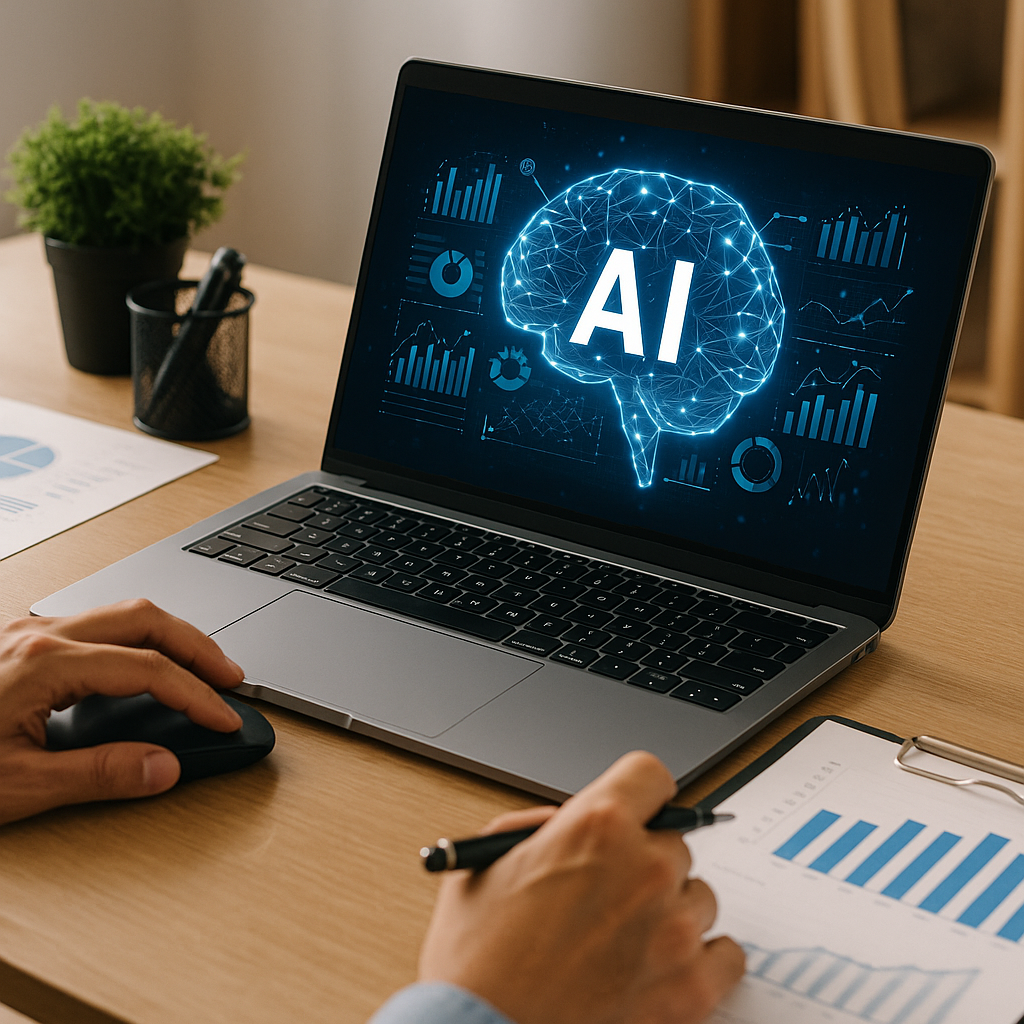
AI marketing refers to the application of artificial intelligence technologies to automate data collection, analysis, and interpretation for marketing purposes. It enables marketers to create personalized experiences, optimize customer interactions, and improve decision-making processes.
AI can process vast amounts of data much faster than humans, allowing for real-time insights and predictions. For example, AI can analyze customer behavior to predict purchasing patterns, enabling businesses to tailor their marketing efforts effectively.
How Does AI Marketing Work?
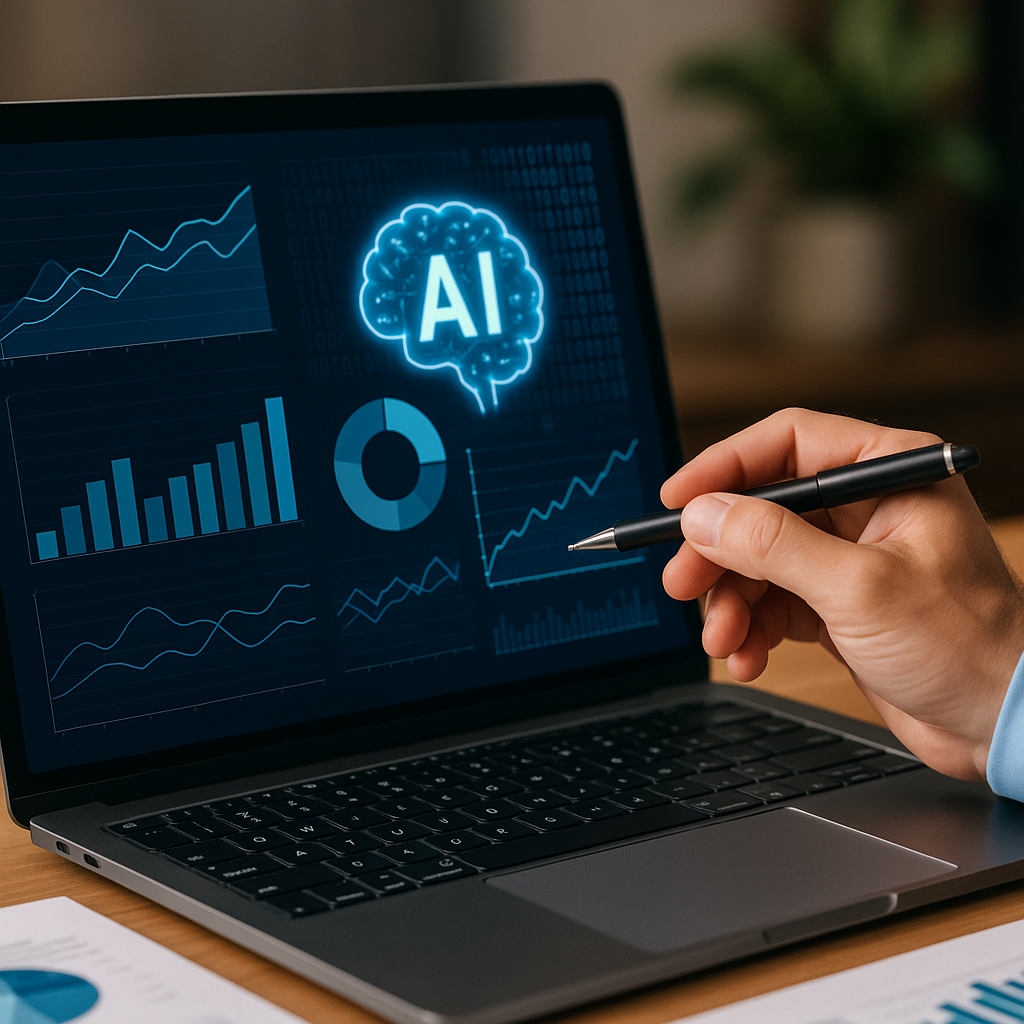
AI marketing works by leveraging machine learning algorithms, natural language processing (NLP), and data analytics to enhance marketing strategies. These technologies automate complex processes, allowing marketers to focus on creative and strategic tasks.
Machine learning algorithms can analyze customer data from various sources, such as social media, emails, and website interactions, to identify trends and patterns. NLP helps in understanding and generating human-like text, which is useful for chatbots and content creation. Data analytics provides insights into customer behavior and campaign performance.
Why Should Businesses Use AI Marketing?
Businesses should use AI marketing to enhance efficiency, personalize customer experiences, and gain competitive advantages. AI tools can automate repetitive tasks, analyze data at scale, and provide actionable insights.
For instance, AI-powered customer segmentation can help businesses deliver personalized content to different audience groups, improving engagement rates. Additionally, AI-driven predictive analytics can forecast future trends and customer needs, helping businesses make informed decisions.
How to Implement AI Marketing Effectively
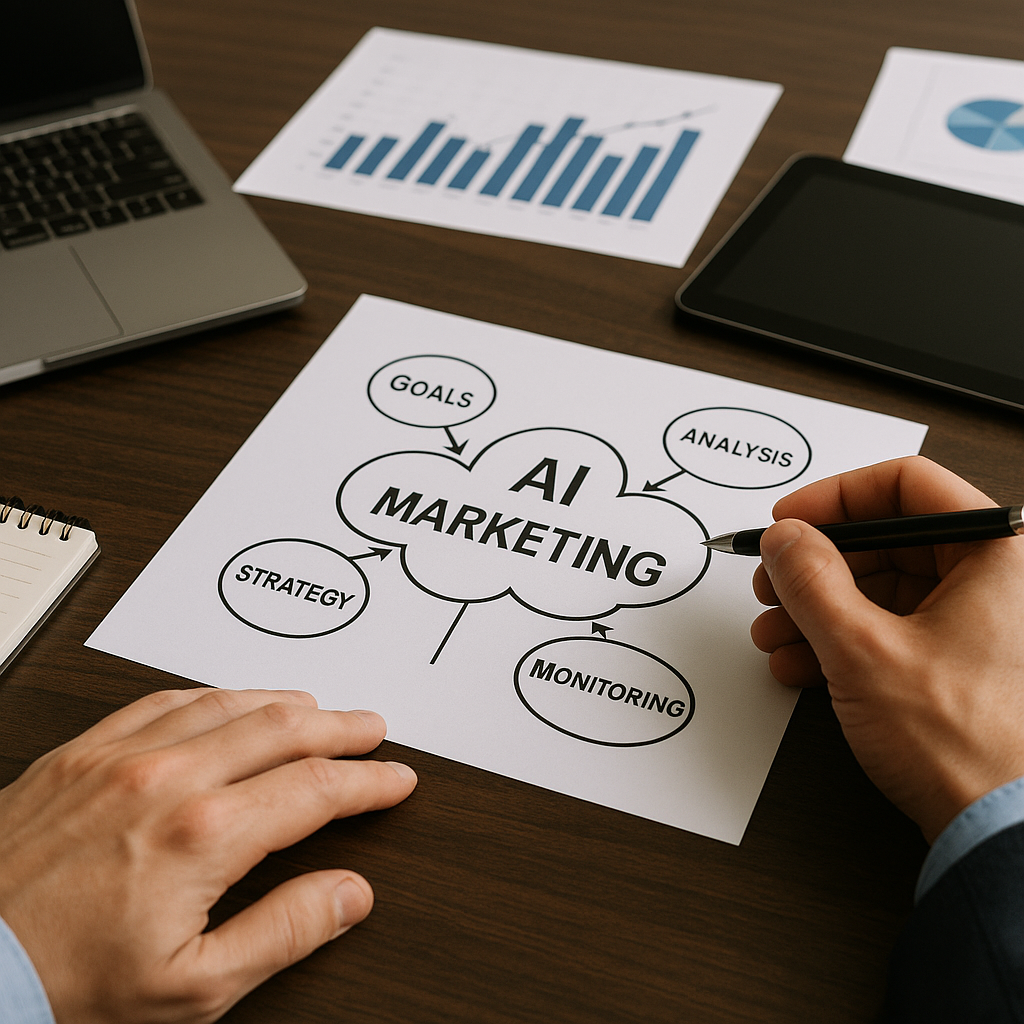
Implementing AI marketing effectively requires a strategic approach that involves understanding your goals, selecting the right tools, and continuously monitoring performance. Here’s a step-by-step guide:
- Define Your Objectives: Clearly outline what you want to achieve with AI marketing, such as increasing sales, improving customer satisfaction, or enhancing brand visibility.
- Assess Your Data: Evaluate the quality and quantity of your data. Reliable data is crucial for training AI models effectively.
- Choose the Right Tools: Select AI tools that align with your goals and have the capability to integrate with your existing systems. Popular tools include Salesforce Einstein, HubSpot, and Google AI.
- Train Your Team: Ensure your marketing team is familiar with AI technologies and understands how to leverage them for maximum impact.
- Monitor and Adjust: Continuously track the performance of AI-driven campaigns and make adjustments as needed to optimize outcomes.
What Are the Challenges of AI Marketing?
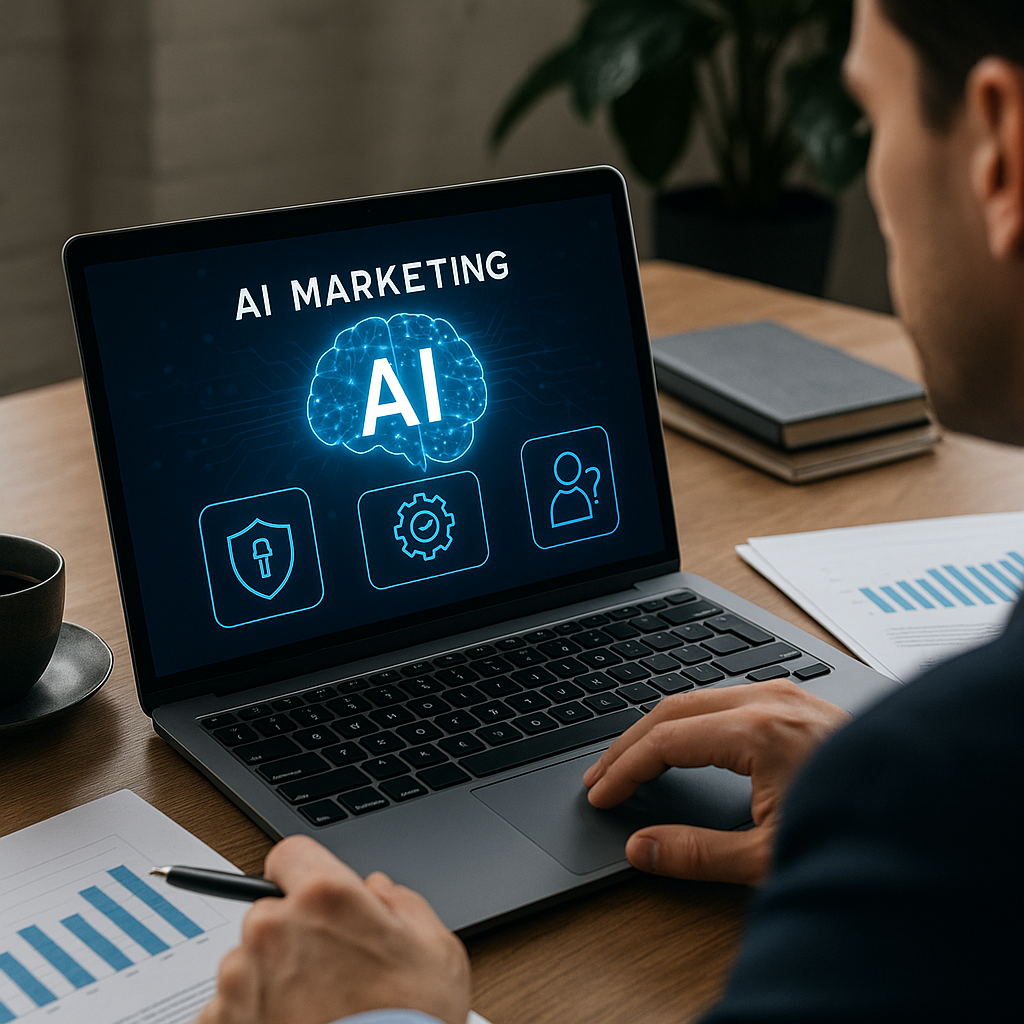
AI marketing presents several challenges, including data privacy concerns, integration issues, and the need for skilled personnel. Addressing these challenges is essential for successful implementation.
Data privacy is a significant concern as AI relies on vast amounts of customer data. Businesses must ensure compliance with regulations such as GDPR. Integration issues may arise when implementing AI tools with existing systems, requiring technical expertise. Additionally, there is a learning curve for marketing teams to effectively utilize AI technologies.
Frequently Asked Questions
What types of AI are used in marketing?
AI in marketing often involves machine learning, natural language processing, and predictive analytics. These technologies help in data analysis, customer segmentation, and campaign optimization.
Can small businesses benefit from AI marketing?
Yes, small businesses can benefit from AI marketing by automating tasks, personalizing interactions, and gaining insights from data. AI tools are becoming more accessible and affordable, making them viable for businesses of all sizes.
Is AI marketing cost-effective?
AI marketing can be cost-effective as it automates labor-intensive tasks and improves campaign efficiency, potentially reducing overall marketing costs. However, initial investments in tools and training may be required.
How can AI improve customer experience?
AI can enhance customer experience by providing personalized content, improving response times through chatbots, and predicting customer needs for proactive service.
What are some examples of AI marketing tools?
Popular AI marketing tools include Salesforce Einstein for CRM, HubSpot for inbound marketing, and Google AI for analytics and automation. These tools help streamline marketing efforts and improve outcomes.
To harness the full potential of AI marketing, consider reaching out to Victor Farjami for expert guidance on selecting and implementing the right AI strategies tailored to your business needs. Act now and elevate your marketing effectiveness with cutting-edge AI solutions.
- Key takeaways:
- AI marketing enhances personalization and efficiency.
- Choosing the right AI tools is crucial for success.
- Overcoming challenges like data privacy is essential.