
TL;DR: AI automation offers various options, each with unique benefits and drawbacks. Understanding these can help businesses choose the right AI tools for their needs, optimizing efficiency and innovation. Comparing AI automation options allows for strategic decision-making that aligns with business goals.
What is AI Automation?
AI automation refers to using artificial intelligence technologies to perform tasks that traditionally require human intervention. This can include data analysis, decision-making, and process optimization, enabling businesses to improve efficiency and reduce errors.
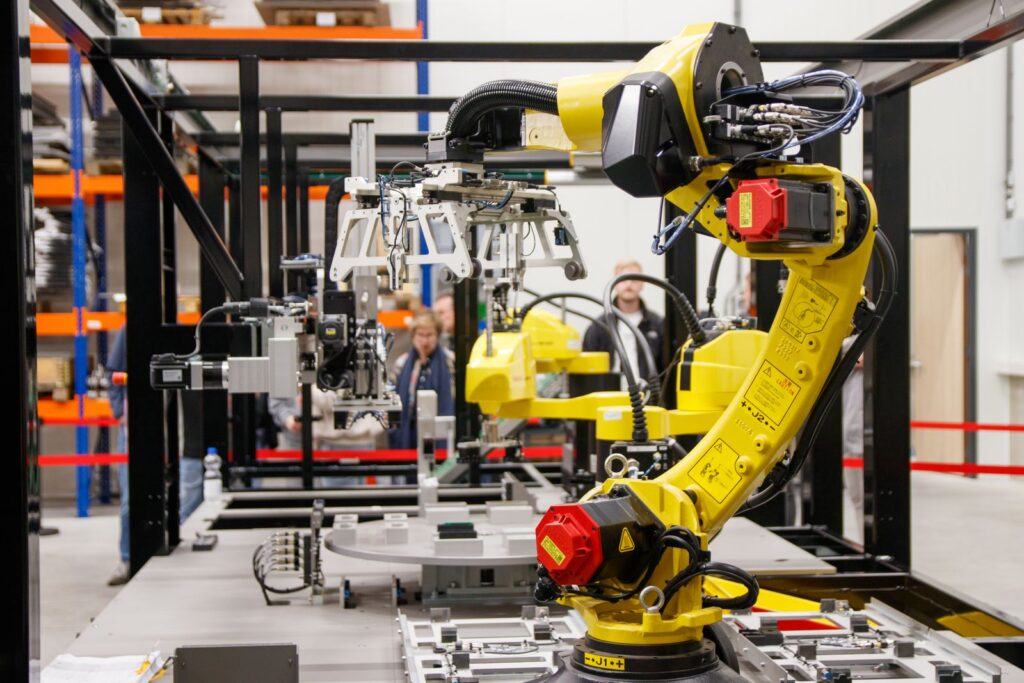
AI automation integrates machine learning, natural language processing, and robotics to streamline operations. For instance, chatbots automate customer service, while predictive analytics tools forecast market trends.
What Are the Options for AI Automation?
Several AI automation options exist, each tailored to different business needs. These options vary in complexity, scope, and application areas.
1. Robotic Process Automation (RPA)
RPA uses software robots to automate repetitive tasks. It’s ideal for data entry, invoice processing, and report generation. RPA excels in environments with structured data and high-volume tasks.
2. Machine Learning (ML) Automation
ML automation involves systems that learn from data to improve performance over time. It is used in recommendation engines, fraud detection, and dynamic pricing strategies. ML requires significant data and training to be effective.
3. AI-Powered Chatbots
AI chatbots automate customer interactions, providing 24/7 support and handling inquiries. They are prevalent in customer service, sales, and technical support, reducing human workload and response times.
4. Intelligent Document Processing (IDP)
IDP automates document workflows by extracting, classifying, and validating data from various document types. It is beneficial for sectors with heavy documentation, such as finance, healthcare, and legal.
What Are the Pros of AI Automation?
AI automation presents numerous advantages across different industries, driving efficiency and innovation.
- Increased Efficiency: AI automation reduces time spent on repetitive tasks, allowing employees to focus on strategic activities.
- Cost Savings: By minimizing manual intervention, businesses save on labor costs and improve profit margins.
- Scalability: AI systems can scale operations quickly without proportional increases in resource allocation, supporting business growth.
- Accuracy and Reliability: Automation decreases the likelihood of human errors, ensuring consistent quality and compliance.
- Data-Driven Insights: AI tools analyze large datasets to provide actionable insights, aiding in informed decision-making.
What Are the Cons of AI Automation?
Despite its benefits, AI automation has limitations and challenges that businesses must consider.
- High Initial Costs: Implementing AI systems can be expensive, requiring significant upfront investment in technology and training.
- Complexity and Integration: Integrating AI tools with existing systems can be complex and time-consuming, needing specialized expertise.
- Dependence on Quality Data: AI systems require large, clean datasets to function correctly, which can be a barrier for some organizations.
- Job Displacement Concerns: Automation may lead to workforce displacement, necessitating retraining and role redefinition.
- Security and Privacy Risks: Handling sensitive data with AI tools raises concerns about data security and compliance with regulations.
How to Choose the Right AI Automation Option?
Selecting the appropriate AI automation tool requires a strategic approach, considering specific business needs and goals.
- Assess Business Needs: Identify areas where automation can add value by reducing manual effort or improving accuracy.
- Evaluate Data Availability: Ensure you have adequate and quality data to support AI initiatives, as data is the backbone of AI systems.
- Consider Budget Constraints: Weigh the initial investment against potential long-term savings and ROI.
- Understand Integration Requirements: Analyze how new AI tools will integrate with existing systems and workflows.
- Plan for Change Management: Develop a strategy for managing the transition, including employee training and role adjustments.
Frequently Asked Questions
How does AI automation differ from traditional automation?
AI automation leverages intelligent algorithms to make decisions and learn from data, while traditional automation follows pre-defined rules without learning capabilities.
Can AI automation be customized for specific industries?
Yes, AI automation can be tailored to meet the unique demands of different sectors, such as healthcare, finance, and retail, by incorporating industry-specific data and processes.
What role does AI play in enhancing customer experience?
AI enhances customer experience by providing personalized interactions, faster response times, and 24/7 service through tools like chatbots and recommendation engines.
What are the ethical considerations in AI automation?
Ethical considerations include ensuring data privacy, preventing bias in AI decision-making, and addressing the potential impact on employment.
How do businesses ensure data security with AI automation?
Businesses can ensure data security by implementing robust encryption, access controls, and compliance with legal regulations such as GDPR.
Is AI automation suitable for small businesses?
Yes, AI automation can benefit small businesses by streamlining operations and providing competitive advantages, but careful consideration of costs and data needs is essential.
What future trends are expected in AI automation?
Future trends include increased adoption of AI-driven analytics, more sophisticated machine learning models, and wider integration of AI in everyday business operations.
If you’re considering AI automation for your business, Marvic AI offers expert guidance and tailored solutions to help you implement the most effective strategies. Contact us today to learn more about how we can support your AI journey.