TL;DR: AI marketing leverages artificial intelligence to enhance data analysis, customer engagement, and personalized marketing strategies. To succeed, focus on integrating AI tools for real-time analytics, predictive insights, and automated communication.
What is AI Marketing?
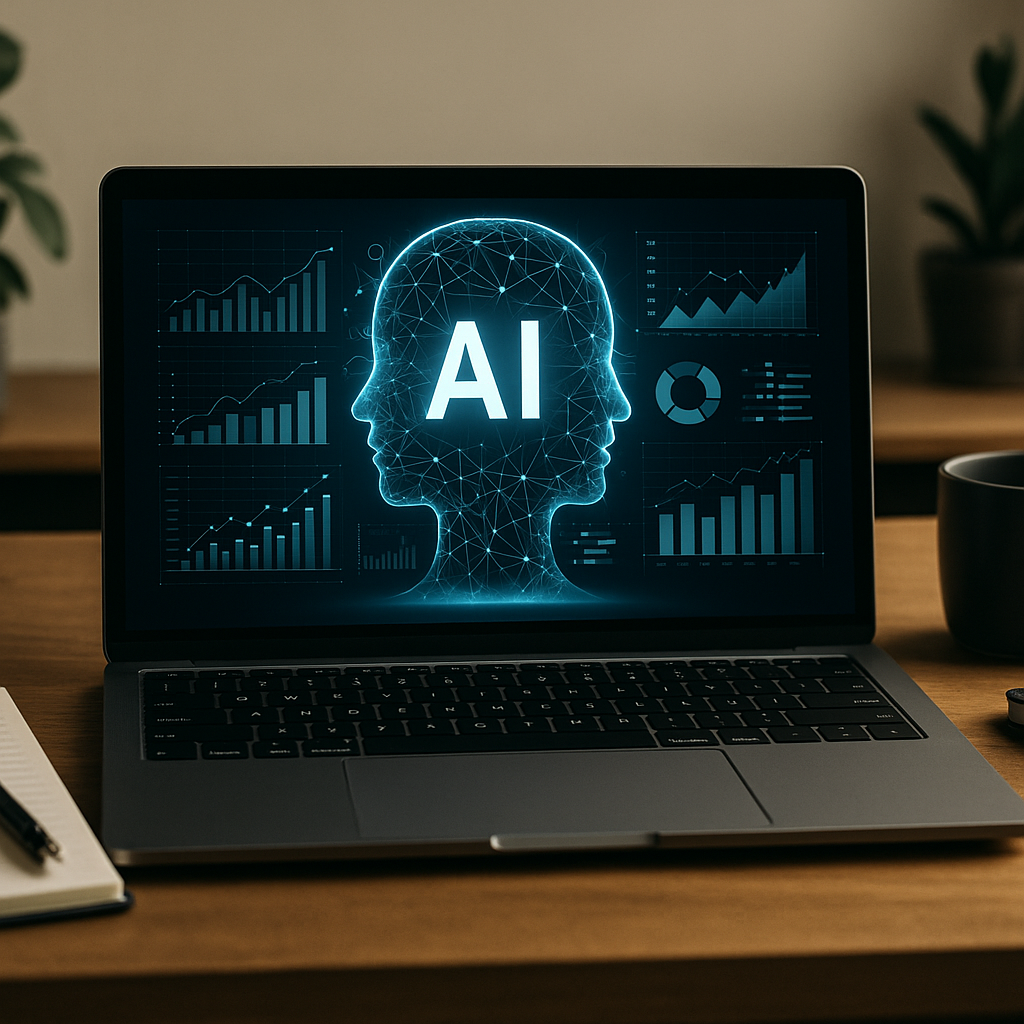
AI marketing involves using artificial intelligence technologies to automate data collection, analysis, and decision-making processes in marketing. This allows for more targeted and efficient campaigns, enhancing customer experiences and driving better ROI.
AI marketing tools can process vast amounts of data at speeds impossible for humans, offering insights that inform strategies and optimize customer interactions. Examples include chatbots for customer service, AI-driven content creation, and personalized product recommendations.
How Does AI Enhance Marketing Strategies?
AI enhances marketing strategies by providing deeper insights, automating tasks, and improving customer engagements. These capabilities allow marketers to make data-driven decisions that improve campaign effectiveness and customer satisfaction.
AI can analyze customer data to identify patterns and trends, predict future behaviors, and personalize marketing efforts at scale. For example, Netflix uses AI to recommend shows based on viewing history, significantly increasing user engagement.
Why Should Businesses Invest in AI Marketing?
Investing in AI marketing offers businesses the potential for improved efficiency, greater personalization, and competitive advantage. AI tools can streamline operations, reduce costs, and enhance the customer experience.
With AI, businesses can automate repetitive tasks such as sorting customer data, creating personalized content, and managing customer interactions through chatbots. This not only saves time but also allows marketing teams to focus on strategic activities that drive growth.
How to Implement AI in Your Marketing Strategy

Implementing AI in marketing requires a strategic approach, including selecting the right tools, integrating them into existing systems, and continuously optimizing based on performance data.
- Identify your goals: Define what you want to achieve with AI marketing, such as improved customer segmentation, enhanced personalization, or streamlined operations.
- Select the right AI tools: Choose tools that align with your goals and can integrate with your current marketing technology stack. Examples include HubSpot for CRM automation and Acrolinx for content optimization.
- Data integration and management: Ensure that your AI tools have access to high-quality data from various sources. This may involve integrating data from CRM systems, social media platforms, and sales records.
- Train and adjust: Implement AI solutions gradually, providing adequate training for your team. Continuously monitor AI outputs and adjust strategies to enhance effectiveness.
- Evaluate and optimize: Regularly assess the performance of AI tools and refine your strategies based on data insights and changing business objectives.
What Are the Challenges of AI Marketing?

While AI marketing offers numerous benefits, it also presents challenges such as data privacy concerns, implementation costs, and the need for skilled personnel to manage AI systems.
Data privacy is a significant concern, as AI systems require access to large amounts of personal data to function effectively. Businesses must ensure compliance with regulations like GDPR and implement robust data protection measures. Additionally, the initial investment in AI tools and training can be substantial, requiring careful budgeting and planning.
How to Overcome AI Marketing Challenges
Overcoming AI marketing challenges involves addressing data privacy issues, managing costs, and ensuring your team has the necessary skills to leverage AI effectively.
- Data privacy: Implement strict data governance policies and ensure compliance with relevant regulations. Regularly audit your data practices to protect customer information.
- Cost management: Start with scalable AI solutions that allow you to expand as needed. Consider AI tools that offer flexible pricing models to manage costs effectively.
- Skill development: Invest in training programs to upskill your marketing team, ensuring they can operate AI tools effectively and interpret AI-generated insights.
Frequently Asked Questions
What industries benefit most from AI marketing?
Industries like retail, finance, and healthcare benefit significantly from AI marketing due to their large data volumes and need for personalized customer interactions. AI helps these sectors improve customer experiences and operational efficiency.
Can small businesses afford AI marketing?
Yes, small businesses can afford AI marketing by starting with affordable, scalable solutions. Many AI tools offer tiered pricing plans that accommodate different business sizes and budgets, making them accessible to smaller enterprises.
How does AI improve customer segmentation?
AI improves customer segmentation by analyzing large datasets to identify distinct customer groups based on behaviors, preferences, and demographics. This allows marketers to tailor campaigns more precisely and enhance engagement.
Are there ethical concerns with AI marketing?
Yes, ethical concerns in AI marketing include data privacy, bias in AI algorithms, and transparency. Businesses must address these issues by implementing ethical guidelines, regular audits, and maintaining transparency with customers.
How quickly can AI marketing tools deliver results?
The speed at which AI marketing tools deliver results depends on the tool type and integration complexity. However, many businesses see improvements in marketing efficiency and customer engagement within a few months of implementation.
Ready to transform your marketing strategy with AI? Contact Marvic AI today for expert guidance and tailored solutions to harness the power of AI in your marketing efforts.