TL;DR: AI marketing leverages artificial intelligence to personalize customer experiences and automate campaigns, leading to enhanced efficiency and effectiveness. Implementing AI in marketing involves understanding your data, choosing the right tools, and continuously optimizing for better results.
What is AI Marketing?
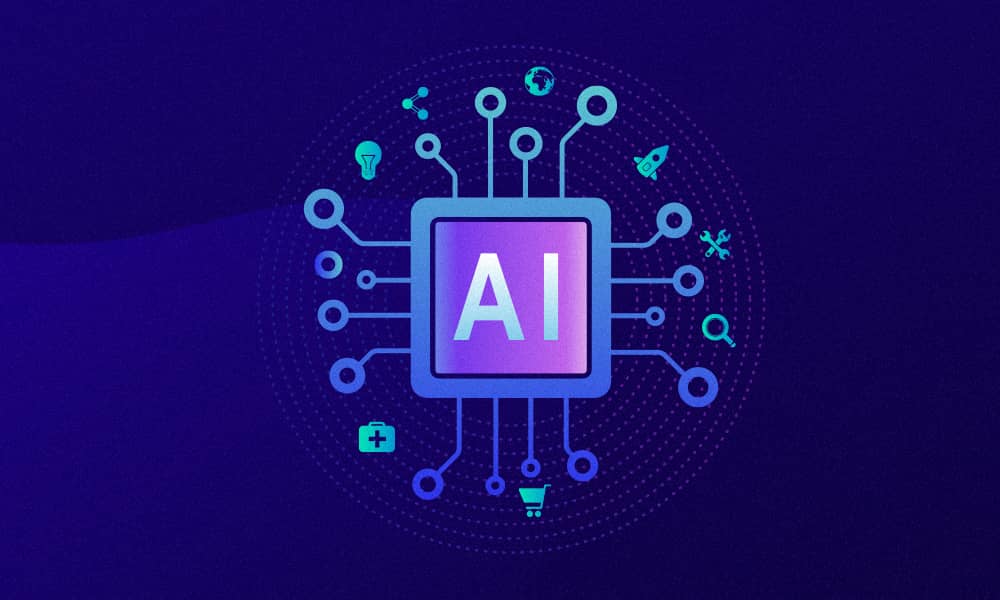
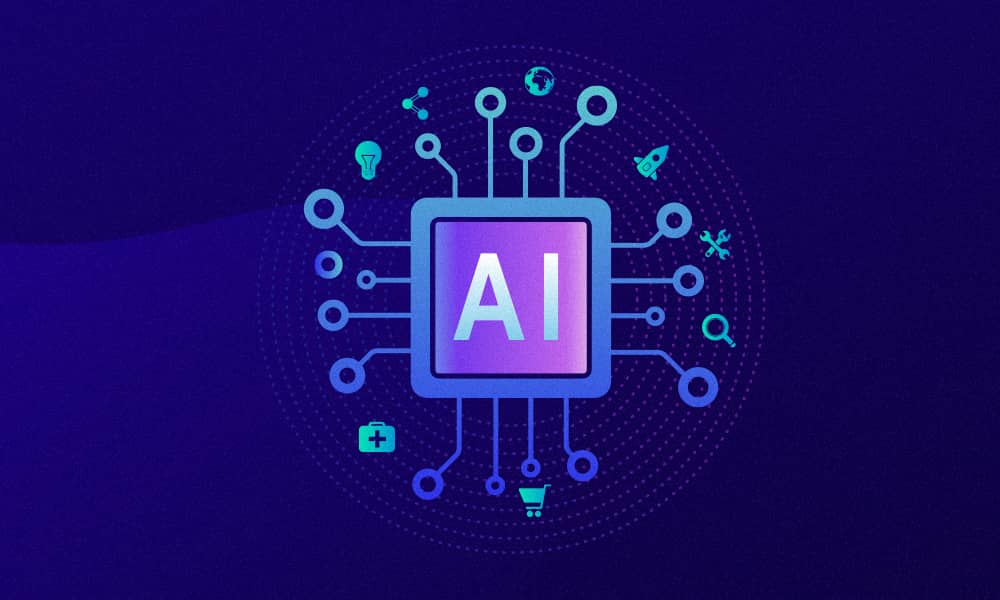
AI marketing refers to the use of artificial intelligence technologies to automate data-driven marketing tactics. It improves efficiency by providing insights, personalizing customer interactions, and predicting future behaviors.
AI marketing involves tools like machine learning, natural language processing, and data analytics. These tools help businesses understand customer preferences, optimize content strategies, and automate decision-making processes.
How Does AI Marketing Work?
AI marketing functions by analyzing data collected from various channels, predicting trends, and enabling automated, personalized marketing strategies. It bridges the gap between data and actionable insights.
Key components include:
- Data Analysis: AI examines large datasets to identify patterns and insights that humans might miss.
- Predictive Analytics: By analyzing historical data, AI forecasts future customer behavior.
- Automation: AI automates repetitive tasks like email campaigns and social media posts, freeing up human resources for strategic work.
- Personalization: AI tailors content and recommendations to individual users, enhancing engagement and conversion rates.
Why Should You Implement AI in Your Marketing Strategy?
Implementing AI in your marketing strategy can significantly enhance personalization, efficiency, and effectiveness, leading to a higher return on investment (ROI).
AI provides:
- Enhanced Customer Experience: Personalizing interactions leads to more satisfied customers and increased loyalty.
- Efficient Resource Allocation: Automation of mundane tasks allows your team to focus on creative and strategic initiatives.
- Improved Decision Making: Data-driven insights reduce the risk of errors in marketing decisions.
- Cost Savings: By optimizing marketing activities and reducing manual labor, AI can lower overall costs.
How to Implement AI in Your Marketing Strategy
Successful AI implementation in marketing requires a structured approach. Follow these steps to effectively integrate AI into your marketing strategy.
- Define Your Objectives: Identify specific goals you aim to achieve with AI, such as increasing customer retention or enhancing lead generation.
- Assess Your Data: Conduct a data audit to understand the quality and quantity of data you possess. Collecting clean, relevant data is crucial for AI success.
- Choose the Right Tools: Select AI tools that align with your marketing needs. Tools like HubSpot, Salesforce Einstein, or Adobe Sensei offer various AI solutions.
- Integrate with Existing Systems: Ensure seamless integration with your current marketing stack to maximize AI’s benefits.
- Test and Optimize: Begin with a pilot phase to test AI applications, analyzing results and making necessary adjustments.
- Train Your Team: Educate your marketing team on AI tools and processes to ensure smooth adoption and utilization.
What Are the Challenges of AI Marketing?
While AI marketing offers numerous benefits, it also presents certain challenges, such as data privacy concerns and integration difficulties.
Key challenges include:
- Data Privacy: Ensuring compliance with data protection regulations like GDPR is critical when using AI.
- Integration Complexity: Merging AI with existing systems can be technically challenging and require significant resources.
- Cost of Implementation: Initial investments in AI technology and training can be high.
- Dependence on Data Quality: AI’s effectiveness is directly linked to the quality of the data used.
Real-World Examples of AI Marketing Success
Several companies have successfully leveraged AI marketing to enhance their strategies and achieve measurable outcomes.
Examples include:
- Amazon: Uses AI algorithms to recommend products based on user behavior, boosting sales and customer satisfaction.
- Netflix: Employs AI to personalize viewing recommendations, which increases viewer engagement and retention.
- Spotify: Utilizes AI for song recommendations and playlist curation, enhancing user experience and growth.
- Coca-Cola: Applies AI in marketing campaigns to analyze consumer sentiment and optimize content delivery.
Frequently Asked Questions
What is the role of AI in digital marketing?
AI in digital marketing helps automate and optimize marketing tasks, such as content creation, customer segmentation, and personalized advertising, leading to more effective campaigns.
Can small businesses benefit from AI marketing?
Yes, small businesses can leverage AI marketing to automate tasks, analyze customer data, and deliver personalized experiences without needing large marketing teams.
How does AI improve customer personalization?
AI analyzes customer data to understand preferences and behaviors, allowing businesses to tailor content and offers that resonate with individual customers.
Is AI marketing expensive to implement?
While initial costs can be high, AI marketing often results in cost savings over time by improving efficiency and reducing resource requirements.
What skills do marketers need to work with AI?
Marketers need data analytics skills, familiarity with AI tools, and an understanding of how to interpret AI-driven insights to effectively use AI in marketing.
To harness the power of AI marketing, contact Marvic AI today. Our experts can guide you through implementing the latest AI strategies to elevate your marketing efforts.